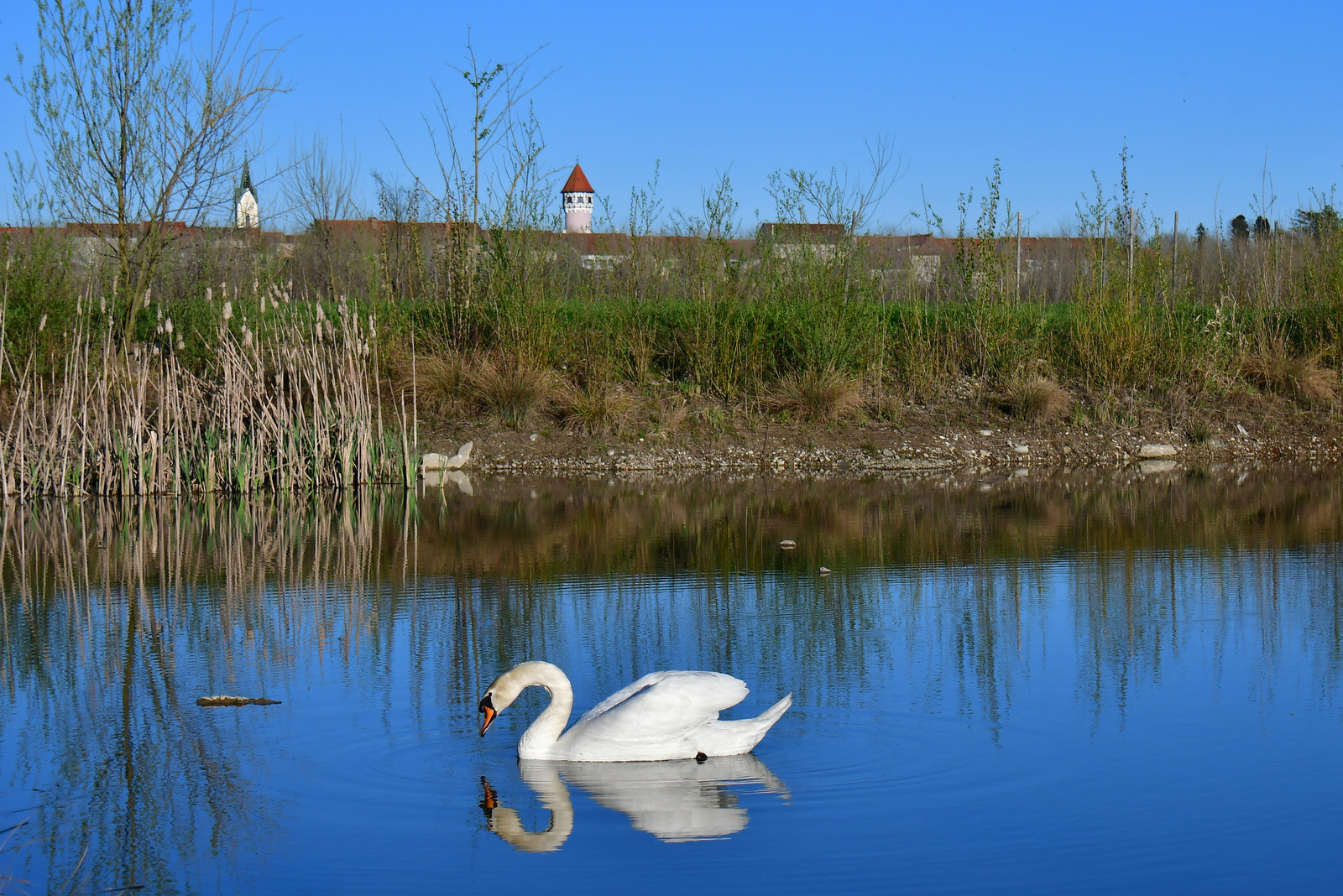
Today we mark World Wildlife Day – a day that reminds us that biodiversity is not self-evident, but a fundamental prerequisite for a stable environment, a healthy society, and sustainable development.
Destination Brežice, as a holder of the Slovenia Green Platinum label within the framework of the Green Scheme of Slovenian Tourism, is committed not only to the sustainable management of tourism, but also to raising awareness about the importance of nature and its ecosystems. Protecting wildlife is one of the foundations of a responsible destination.
Why are wild species crucial?
Wild plants, animals and microorganisms provide so-called ecosystem services – natural processes without which life as we know it would not be possible.
- Pollinators and food security
More than 75% of the world’s food crops depend at least partly on pollinators. Without bees, butterflies and other insects, food supply would be seriously threatened, dietary diversity would decline, and food prices would rise. - Forests as climate regulators
Forests absorb approximately one third of all human-caused CO₂ emissions and are home to more than 80% of terrestrial species. In addition to carbon sequestration, they prevent soil erosion, regulate the water cycle and moderate temperature extremes. - The role of wetlands and rivers
Wetlands and river ecosystems act as natural water filters and reduce flood risks. They are among the most productive ecosystems on Earth and provide essential habitats for many endangered species. - Soil – the hidden foundation of life
Healthy soils, rich in microorganisms and plant life, enable food production and play a significant role in carbon storage. Soil degradation directly affects food security and ecosystem stability. - Natural balance regulation
Predators, such as birds of prey and other wild animals, naturally regulate pest populations and reduce the spread of disease. Every species has its role within the food chain. - Meadows and flowering landscapes
Meadows and flowering plants are not merely aesthetic elements of the landscape – they provide habitats for numerous species and serve as vital food sources for pollinators. The disappearance of traditional meadows leads to habitat loss and declining biodiversity. - Oceans and oxygen
Marine algae and phytoplankton produce more than half of the oxygen we breathe. Global systems are interconnected – protecting nature is therefore a global responsibility.
What can each individual do?
Preserving biodiversity is not solely the responsibility of institutions, but a shared duty. Individuals can contribute by:
- respecting natural areas and staying on marked trails,
- not feeding wild animals,
- reducing waste and plastic use,
- supporting local and sustainable producers,
- planting pollinator-friendly plants and preserving green spaces,
- saving water and energy.
Every species – even the smallest – has its function. The loss of one can trigger chain reactions that affect the entire ecosystem.
Nature provides us with air, water, food and space to live.
Let today be a reminder that protecting wild species is an investment in the future – a future we are all creating together.