Follow the Rules and Guidelines to Ensure Undisturbed Nesting of the European Bee-eater.
At the beginning of May, one of Slovenia’s most colorful birds, the European bee-eater (Merops apiaster), returns from its wintering grounds in sub-Saharan Africa. Since 1985, it has been nesting in Slovenia’s oldest continuously monitored breeding colony at the Župjek sandpit near Bizeljsko. Due to its striking appearance and fascinating behavior, it is a favorite among birdwatchers and photographers who can experience a unique natural spectacle at this location.
Best Time for Observation
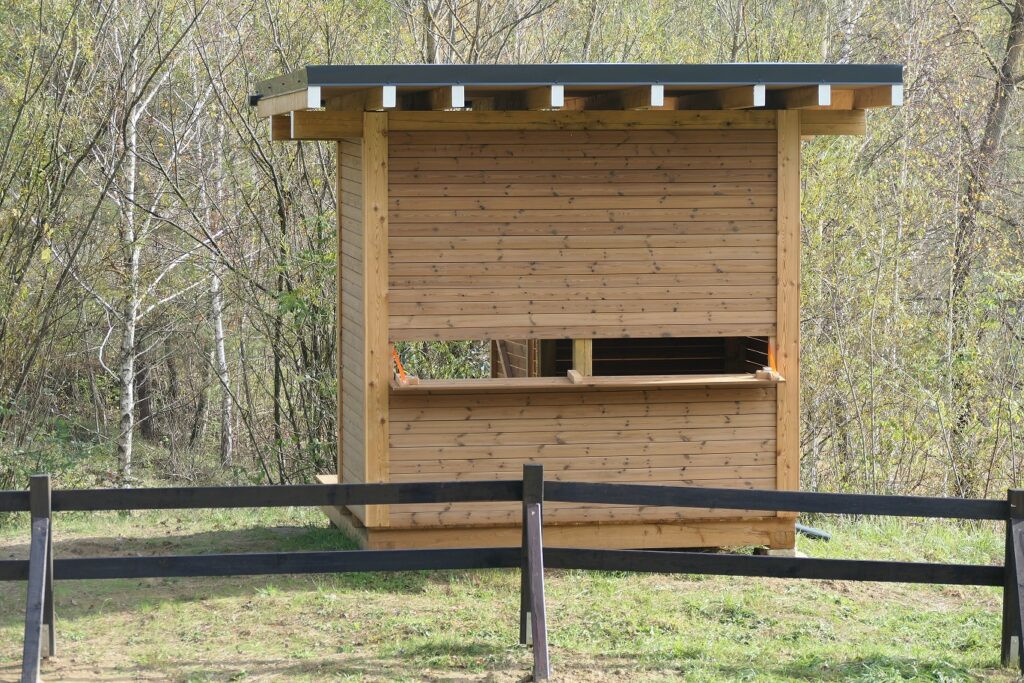
The second half of June and early July is the optimal time for observation, as both parents tirelessly bring food to their nesting burrows. Visitors have access to information boards, a birdwatching hide, and a photo hide, which allow for discreet observation without disturbing the birds in their natural environment.
Visitor Guidelines
To ensure undisturbed nesting, the following rules must be followed:
- Visitors must not disturb the bee-eaters or approach their nesting walls.
- Photography is only allowed from designated hides.
- Access to the photo hide is permitted only with prior registration with the Kozjansko Park ranger service (Toni Preskar, +386 41 381 560).
- Photographers must adhere to strict time limits – arrival must be before 6:00 AM, and departure no later than 9:00 AM.
The European Bee-eater – A Protected Species and Part of the Ecological Balance
The bee-eater is a protected species in Slovenia and the EU and is classified as a qualifying species of the Natura 2000 ecological network. Habitat loss and food shortages pose a risk to its population, making conservation efforts crucial. At the Župjek sandpit, several conservation measures have been implemented, including removing overgrowth and maintaining nesting walls, ensuring suitable conditions for successful breeding.
A Unique Location for Birdwatching
The Župjek sandpit near Bizeljsko is the only permanent colony of European bee-eaters in Slovenia, with 20 to 50 breeding pairs each year. While they can be found elsewhere, other colonies are smaller and less stable. In addition to the bee-eater, visitors can observe other fascinating bird species and explore the rich natural environment of the Obsotelje and Posavje regions.
We invite you to experience the beauty of nature and respectfully observe the vibrant residents of the Župjek sandpit!